The Significance of World AIDS Day: A Global Call to Action
Every year on December 1st, the world comes together to observe World AIDS Day, a day dedicated to raising awareness about HIV/AIDS, supporting those living with the virus, and honouring the memory of those who have lost their lives to this disease. Since its inception in 1988, World AIDS Day has served as a powerful reminder of the ongoing fight against the HIV/AIDS epidemic and the importance of global solidarity in addressing this public health challenge.
A Brief History
World AIDS Day was the first-ever global health day, initiated by the World Health Organisation (WHO) and the United Nations. It was created in response to the growing HIV/AIDS crisis of the 1980s, a time marked by fear, stigma, and misinformation. By establishing a dedicated day for awareness and education, the aim was to foster a more informed public dialogue about the disease, reduce stigma, and encourage compassion and support for those affected.
A Personal Reflection
Being a teenager growing up in West Sussex in 1980’s, I look back and feel ashamed of my ignorance even at a relatively young age. AIDS was something I simply saw on the news, it didn’t impact my world at all, it was a disease which in my hugely limited knowledge only affected only gay men, and as I didn’t know any gay men at the time (well I did, but didn’t know they were gay!) then it really wasn’t anything I had any realistic awareness of, other than it existed ‘out there’ but well away from the innocent/ignorant bubble I was living in.
Fast forward to the present day and HIV/AIDS has become something which has subsequently deeply impacted my world, my life story, and my family. My brother Mark died from AIDS in 2002 at the age of just 37.
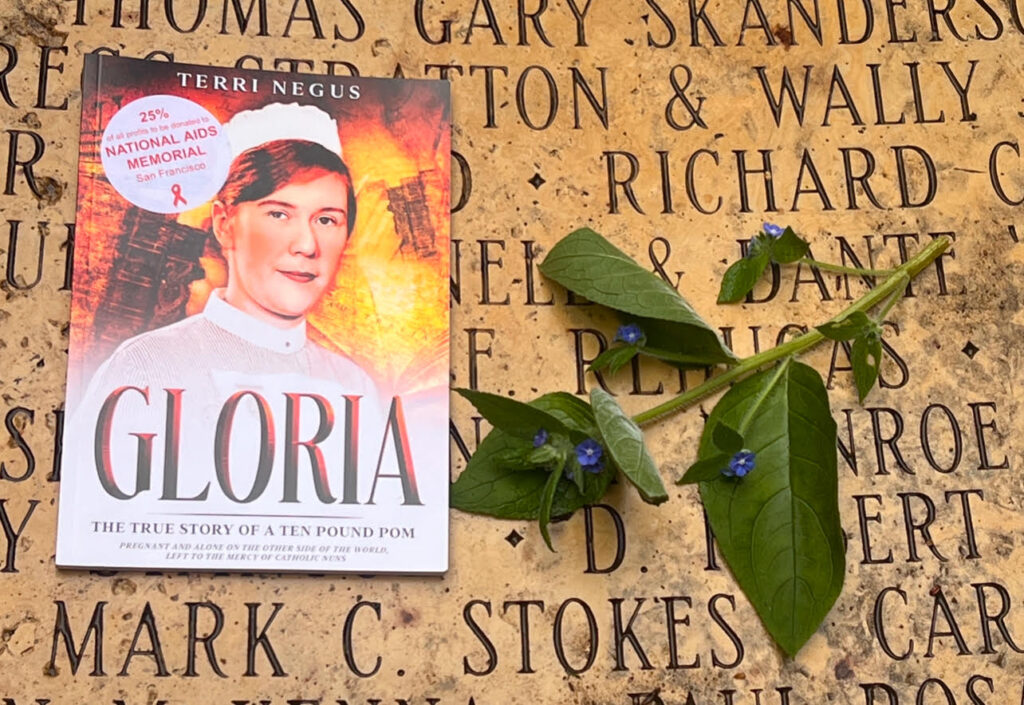
The sad and ironic thing is that I never actually met my brother. He was given up at birth in an enforced an illegal adoption when my mother Gloria was living out in Australia in 1964, and despite a global search by both mother and son to reunite, Mark died never finding his birth mother. Heartbreakingly, we didn’t make the breakthrough in finding him until 5 years after his death. I’m not going to go too much into further details of that story here, but I did write it in a book ‘GLORIA’ which is now available on Amazon, with 25% of all profits going to the National AIDS Memorial in San Francisco (the city where Mark died).
Suffice to say, since travelling the globe to meet with Mark’s adoptive family and friends, I now have many surrogate ‘brothers’ who are part of the LGTBQ+ community. Stories I have heard have subsequently broken my heart, maybe you could say I have a form of survivors guilt knowing that whilst I was living in that blissful ignorance, other families and communities were losing loved ones in their 1000’s. One man told me that at its peak in San Francisco during the 1990’s he was attending funerals of his friends on a weekly basis, sometimes 2-3 funerals a week. Something which I cannot begin to comprehend, but perhaps an explanation about why I feel passionately about marking this day.
Raising Awareness
The significance of World AIDS Day lies largely in its ability to raise awareness about HIV/AIDS. Despite significant advances in treatment and prevention, misconceptions and stigma surrounding the virus persist. Many people still lack access to accurate information about how HIV is transmitted, how it can be prevented, and the effectiveness of treatment options.
World AIDS Day serves as a platform to educate the public about:
- Transmission and Prevention: Understanding how HIV is spread—primarily through unprotected sex, sharing needles, and from mother to child during childbirth or breastfeeding—is crucial for prevention. Awareness campaigns help dispel myths and promote safe practices that can significantly reduce the risk of transmission.
- Testing and Treatment: Increased access to testing and antiretroviral therapy (ART) has transformed HIV from a fatal disease into a manageable chronic condition. Emphasising the importance of regular testing, early diagnosis, and adherence to treatment can save lives and prevent further transmission.
- Living with HIV: People living with HIV can lead healthy, fulfilling lives with proper medical care and support. Sharing stories of resilience and hope can inspire others to seek help and reduce the stigma associated with the disease.
Supporting Those Affected
World AIDS Day is also a time to show solidarity with individuals living with HIV/AIDS, their families, and communities affected by the epidemic. Stigma and discrimination remain significant barriers to accessing healthcare and support services. By fostering an environment of acceptance and understanding, we can empower those affected by HIV to seek the care they need without fear of judgment.
Numerous organisations and initiatives use World AIDS Day to fundraise for research, prevention programs, and support services. Whether through local events, online campaigns, or global initiatives, every effort contributes to the broader fight against HIV/AIDS.
Examples of some such organisations below:
NATIONAL AIDS TRUST
TERRENCE HIGGINS TRUST
ELTON JOHN AIDS FOUNDATION
www.eltonjohnaidsfoundation.org
I-BASE
Honouring Lives Lost
World AIDS Day also serves as a solemn reminder of the lives lost to the HIV/AIDS epidemic. Since the beginning of the outbreak, millions have succumbed to the disease, leaving deep emotional scars on families and communities. Memorialising those who have passed away is vital for healing and recognising the impact of the epidemic.
Many communities host vigils, art exhibits, and other commemorative events to honour their memories and raise awareness about the ongoing fight against HIV/AIDS. These acts of remembrance are powerful symbols of resilience and hope, reminding us of the work that still needs to be done.
Looking Ahead
As we observe World AIDS Day, it’s crucial to reflect on the progress made and the challenges that lie ahead. Global efforts have led to significant advancements in treatment and prevention, yet disparities in access to care remain, particularly in low-income and marginalized communities.
The theme for World AIDS Day changes each year, reflecting current challenges and priorities in the fight against HIV/AIDS. As we move forward, it’s essential to continue advocating for policies and programs that promote equitable access to healthcare, education, and support for all individuals living with or affected by HIV.

Conclusion
World AIDS Day is more than just a day on the calendar; it represents a collective commitment to combating stigma, promoting awareness, and supporting those affected by HIV/AIDS. It is a call to action for individuals, communities, and governments to come together in the fight against this global epidemic. By fostering understanding, compassion, and proactive measures, we can honour the past, support the present, and work towards a future where HIV/AIDS is no longer a public health crisis. Let’s stand together on December 1st and every day to make a difference.
